
facebook tracking

What Is the Best Double Chin Reduction Treatment?

Choosing the best Double Chin Reduction treatment begins with identifying what creates fullness beneath the chin. It may involve localized fat, loose skin, muscle position, genetics, or several factors together. A soft fold that appears when you look down may need a different approach than a firm, rounded profile visible from every angle.

Board-certified facial plastic surgeon Dr. Steven Dayan emphasizes individualized care: “Every face is different, and every treatment plan must be different.” This principle matters because no single procedure suits every patient. Deoxycholic acid injections may gradually reduce small fat deposits. Cryolipolysis can be considered in selected cases. Liposuction often provides a more immediate contour change when fat is the main concern. A neck lift may be more appropriate when loose skin or muscle laxity dominates.

A qualified clinician should examine your profile, skin elasticity, medical history, and expectations. Ask to see comparable before-and-after photographs, not only highly edited images. Discuss swelling, bruising, numbness, asymmetry, maintenance, and realistic recovery times. These details can feel less exciting, but they shape the actual experience.

The “best” answer is rarely the newest treatment. It is the safest option that matches your anatomy and goals. Even a careful assessment has limits. Results can vary, and improvement may be noticeable rather than perfect. A thoughtful consultation should leave you informed, not pressured, and able to compare Double Chin Reduction choices with clear expectations.
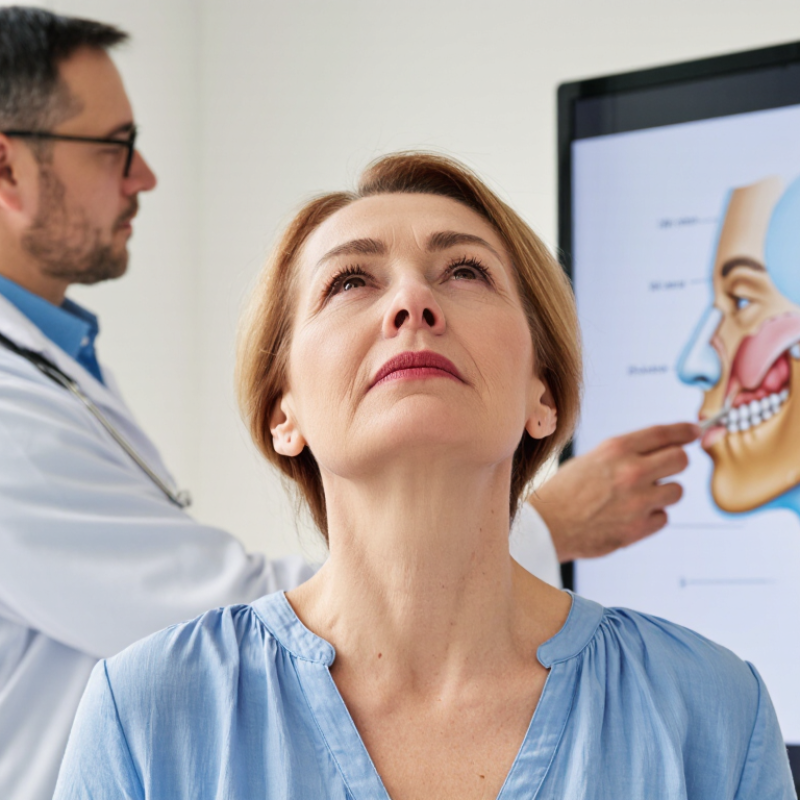
What Is the Best Double Chin Reduction Treatment?

Understanding the Causes and Types of a Double Chin

What Is the Best Double Chin Reduction Treatment?

Understanding the Causes and Types of a Double Chin

A double chin is not caused by one factor. Genetics can influence where the body stores fat and how the jawline develops. Aging may reduce skin elasticity, creating a softer fold beneath the chin. Weight changes can add volume, but they are not always responsible. Some lean people have noticeable submental fullness.

A small detail matters. The area may contain excess fat, loose skin, muscle-related bands, or a combination of these features. Fat-dominant fullness often feels soft and remains visible when the head is upright. Skin-laxity fullness looks more like sagging or creasing. A mixed type includes both concerns. Jaw structure and a naturally short chin can also make the area appear fuller.

The best treatment depends on this assessment, not on a single popular solution. A qualified medical professional should examine skin quality, fat distribution, facial structure, medical history, and personal goals. Non-surgical approaches may suit mild fat-related fullness, while surgical procedures can address larger fat deposits or significant loose skin. Results vary, and “natural” does not automatically mean risk-free. It is tempting to blame weight alone, but that explanation is incomplete. Even careful evaluations have limits, so realistic expectations and informed consent remain essential.

How Nonsurgical Double Chin Treatments Work

A double chin can come from genetics, weight changes, skin laxity, or a naturally soft jawline. Nonsurgical treatments work in different ways, so the best choice depends on the cause.

Some injectable treatments reduce fat cells beneath the chin. The body gradually clears the treated cells over several weeks. Energy-based procedures may heat or cool tissue to reduce fat or encourage collagen production. Ultrasound and radiofrequency treatments can tighten loose skin, but their effects are usually gradual and modest. A trained medical professional should examine your profile, skin quality, and medical history before recommending treatment.

Recovery is often manageable, but swelling, tenderness, bruising, or temporary numbness can occur. Results are not instant. They may also differ between sides, which can be frustrating. Some patients need several sessions. Others may see limited improvement because loose skin, rather than fat, is the main concern. The evidence is useful, but no treatment works perfectly for everyone.

Tips: Choose a qualified provider who explains realistic results, possible risks, and total treatment time. Ask for clear aftercare instructions and report unusual pain, weakness, or lasting changes. Take photographs in the same lighting before each session. This helps you judge progress more honestly. Avoid rushing into treatment after seeing edited online images.

What Is the Best Double Chin Reduction Treatment? – How Nonsurgical Double Chin Treatments Work

Treatment How It Works Typical Treatment Course Expected Results Common Downtime and Effects Most Suitable For Important Limitations
Deoxycholic Acid Injections A naturally occurring bile acid is injected into fat beneath the chin. It breaks down the membranes of targeted fat cells, which are then gradually cleared by the body. Usually several treatment sessions are needed, commonly spaced at least one month apart. The number of sessions depends on the amount of fat and the desired contour. Gradual reduction of submental fullness and improved definition of the jawline. Changes generally become noticeable over several weeks after treatment. Swelling, bruising, tenderness, redness, numbness, and firmness are common. Swelling may be significant and can last from several days to a few weeks. Adults with localized fat beneath the chin, adequate skin elasticity, and realistic expectations. It does not remove loose skin or tighten neck muscles. Injection placement requires appropriate anatomical knowledge because temporary nerve-related weakness can occur.
Cryolipolysis Controlled cooling targets fat cells under the chin. The treated cells are gradually eliminated through the body’s normal inflammatory and clearance processes. Often performed as one session, although additional treatment may be considered when fullness remains or greater reduction is desired. A gradual, modest reduction in localized fat. Visible improvement typically develops over several weeks and may continue for a few months. Temporary redness, swelling, bruising, tenderness, tingling, or numbness may occur. Most people can return to normal activities quickly. People with pinchable submental fat and relatively good skin elasticity who prefer a non-injectable option. Results are less predictable when fat is limited, skin is very loose, or the fullness is mainly caused by muscle, glands, or neck anatomy.
Radiofrequency Skin Tightening Radiofrequency energy heats the deeper skin layers in a controlled manner. This may stimulate collagen remodeling and provide gradual tightening; some systems also affect superficial fat. A series of sessions is commonly recommended, followed by maintenance treatments according to the device and clinical plan. Subtle to moderate improvement in skin firmness and contour. Results usually develop gradually rather than immediately. Warmth, redness, swelling, and tenderness can occur. Most treatments involve little or no interruption to daily activities. People whose main concern is mild skin laxity, especially when the amount of excess fat is small. It is not a substitute for surgical removal of substantial fat or markedly loose skin. Outcomes depend on energy settings, skin quality, and the treatment device.
Focused Ultrasound Tightening Precisely focused ultrasound creates controlled thermal points beneath the skin, encouraging collagen contraction and remodeling in selected tissue layers. Often performed as a single session, with reassessment after several months. Repeat treatment may be considered depending on the response. Gradual tightening and modest contour refinement over approximately two to six months as new collagen forms. Temporary redness, swelling, tenderness, tingling, or sensitivity may occur. Downtime is generally minimal. People with mild to moderate laxity who need tightening more than fat reduction. It usually provides limited fat reduction and may not significantly improve a prominent double chin caused by a larger fat volume.
Combined Nonsurgical Treatment A clinician may combine a fat-reduction method with a skin-tightening method when both submental fat and mild laxity contribute to the appearance of a double chin. The sequence and number of sessions vary according to anatomy, treatment response, and the safety requirements of each procedure. Potentially better overall contour improvement than addressing only fat or only laxity, although results remain gradual and variable. Side effects may reflect each individual procedure. Treatment planning should account for cumulative swelling, tenderness, and recovery time. People with a combination of localized fat and mild skin laxity who do not want surgery. Combining procedures does not guarantee a surgical-level result. A qualified medical professional should determine whether the methods are appropriate together.
Lifestyle and Weight Management Overall weight reduction can decrease fat throughout the body, including beneath the chin, when excess body weight is a contributing factor. Progress depends on nutrition, physical activity, health conditions, and long-term adherence. There is no reliable spot-reduction method for chin fat. May reduce fullness when weight gain contributes to the appearance. The response varies and loose skin may remain after weight loss. No procedure-related downtime. Weight-loss plans should be safe, sustainable, and medically supervised when appropriate. People whose submental fullness is associated with overall weight gain or whose health would benefit from weight management. Neck exercises cannot selectively remove chin fat, and weight loss may not correct genetically determined fullness or significant skin laxity.

Key takeaway: The most suitable treatment depends on whether the main issue is localized fat, loose skin, or both. A qualified medical professional should assess the neck anatomy, skin elasticity, medical history, and treatment goals before recommending a procedure.

Comparing Exercise, Weight Loss, and Injectable Options

A double chin can reflect fat, loose skin, genetics, or several factors together. Exercise may strengthen neck muscles, but it cannot selectively burn submental fat. Weight loss can help when overall body fat is elevated. However, some people lose weight while the soft pocket under the jaw remains. That result can feel frustrating. A useful correction is this: weight loss is not a guaranteed chin sculptor.

Injectable treatment targets localized fat beneath the chin. In pivotal clinical trials cited in the United States Food and Drug Administration prescribing information, about 66–70% of treated adults achieved noticeable improvement, compared with roughly 22–29% receiving placebo. Results developed gradually across multiple sessions. Swelling, bruising, tenderness, and temporary numbness are common considerations. The American Society of Plastic Surgeons’ 2023 statistics report millions of minimally invasive injectable procedures overall, but those figures do not prove that every injectable suits submental fullness. Suitability still depends on anatomy, skin laxity, medical history, and professional assessment.

Tips: Photograph your profile in consistent lighting before judging progress. Ask whether your fullness is mainly fat or loose skin. Discuss session spacing, expected swelling, and nerve-related risks with a licensed medical professional. Avoid promising yourself a sharp jawline after one visit. Even careful treatment has limits, and the evidence does not erase individual variation.

When Surgical Double Chin Reduction May Be Appropriate

When Surgical Double Chin Reduction May Be Appropriate

A double chin can result from excess fat, loose skin, muscle changes, or inherited facial structure. Surgical reduction may suit people with persistent fullness despite stable weight and healthy habits. It can be considered when the area feels heavy, the jawline appears blurred, or loose skin remains after weight loss. A qualified surgeon should assess skin elasticity, neck anatomy, medical history, and expectations before recommending treatment.

Common surgical approaches include removing excess fat, tightening the neck muscles, or excising loose skin. The right choice depends on the cause, not only the chin’s appearance. Recovery may involve swelling, bruising, tenderness, and temporary numbness. Every operation carries risks, including infection, scarring, uneven contours, and changes in sensation. Results can look natural, but perfection is not guaranteed. That part deserves honest discussion.

Tips: Ask how many procedures the surgeon performs, what recovery usually feels like, and which complications may occur. Request clear before-and-after examples from comparable cases. Avoid rushing after a major weight change or during an untreated medical condition. A second professional opinion can help. The decision is rarely tidy, and careful planning may still reveal that surgery is not the best answer.

What Is the Best Double Chin Reduction Treatment?

There is no single best treatment for everyone. The appropriate option depends on the amount of fat, skin laxity, muscle banding, health status, and the desired recovery time.

Typical Number of Treatment Sessions

When surgical reduction may be appropriate: Surgery is often considered when there is significant excess skin, loose neck muscles, prominent platysmal bands, or a need for a more immediate and durable contour change. Submental liposuction is generally suited to localized fat with relatively elastic skin, while a neck lift may be more suitable when skin laxity is a major concern.

Session ranges are typical clinical estimates and can vary according to anatomy, treatment response, medical history, and the clinician’s assessment. A qualified medical consultation is necessary before choosing a treatment.

Choosing the Safest Treatment for Your Goals and Health

The best double chin treatment depends on anatomy, skin laxity, medical history, and tolerance for downtime. A qualified clinician should examine the area while you sit and turn your head. Fat may not be the only problem. Loose skin, a small chin, or neck muscle bands can change the recommendation. Safety comes before speed.

For adults with moderate submental fat, an injectable fat-dissolving medicine may offer gradual improvement. The U.S. Food and Drug Administration reviewed clinical trials involving 1,022 participants. Those trials showed better fat reduction than placebo, but swelling, bruising, numbness, and pain were common. Some swelling lasted several weeks. That is not a minor detail. Injection placement matters because nearby nerves and muscles can be affected.

Liposuction can remove fat more directly, especially when skin elasticity is good. However, it still involves anesthesia, incisions, infection risk, and recovery. The American Society of Plastic Surgeons’ 2022 procedural report recorded 325,669 liposuction procedures, showing its continued use, not universal suitability. Energy-based tightening may help mild laxity, but results vary and rarely replace surgery when skin hangs noticeably. Ask about the clinician’s training, complication rates, emergency plan, and before-and-after cases on diverse skin types. Be cautious with dramatic promises. Personal experience can be useful, yet it cannot replace an examination or evidence-based consent.